🎬 The Wealthy Actor’s Blueprint: How to Survive the Industry’s Gauntlet and Become Your Own CEO (The 2000+ Word Director’s Cut)
 Forget the dreamy mythology of Hollywood! The world Valorie Hubbard and James Hallett dissect on The Wealthy Actor Podcast—especially with their sharp-witted guest, Corey Landis—is less a fairytale and more a high-stakes corporate battleground, where the most valuable skill isn’t crying on cue, but knowing your worth and holding the line. This wasn’t just a chat; it was a rallying cry, a masterclass in resilience, and a brutal honesty session about the chaotic, commerce-driven reality of securing the next great gig. Landis, a seasoned pro whose credits include a recurring role on That ‘70s Show and a robust music career, brings a veteran’s unfiltered truth about what it actually takes to build a career that lasts. To truly thrive, the modern actor must embrace the roles of activist, endurance athlete, and CEO, all wrapped into one impeccably prepared, self-taping machine.
Valorie Hubbard, known for her candid, no-nonsense approach to the business of acting, and James Hallett, who frames the conversation with thoughtful contextualization, set a tone that is immediately relatable to any working performer. Their guest, Corey Landis—whose impressive bio spans over 50 features, 150 commercials, and five original albums—brings a wealth of experience, and a willingness to discuss the industry’s most challenging truths. He offers a veteran’s perspective that is both illuminating and deeply validating for anyone struggling to land that next gig or figure out how to submit a perfect self-tape. They are not talking about “making it,” they are talking about sustaining it against relentless pressure.
⚔️ The David vs. Goliath Battle: An Actor’s Fight for Freedom

Imagine being locked out of your job. Not fired, just silently deplatformed by a single corporate entity. That’s the chilling power Valorie Hubbard and James Hallett examined when discussing Corey Landis’s recent skirmish with the monolithic casting platform, Actors Access. Landis had the audacity to challenge their new user agreement, a document he called “heavy-handed,” even sharing a workaround for frustrated peers. His reward? A temporary digital exile from the very system that drives the majority of legitimate acting jobs.
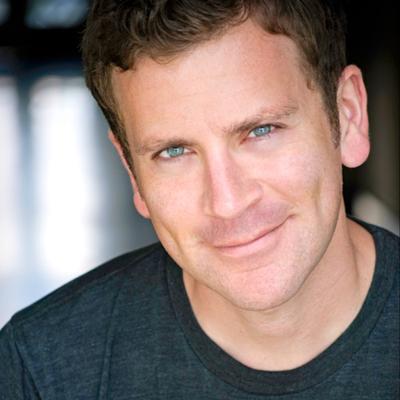 Landis’s story is a fierce wake-up call, proving that the digital infrastructure of casting is not a neutral tool—it’s a powerful, singular gatekeeper. When Landis confronted the CEO, he was met with a combative power play: “Do you know who I am?” Landis’s theatrical response—choosing to end the call on his terms—was a rare, glorious moment of defiance. He recounted to the hosts that the platform essentially becomes “the only road that goes between them getting food and the grocery store.” The mere threat of being blacklisted, even for daring to advocate for community interests, underscores the necessity of collective awareness.
James Hallett perfectly framed the gravity of the situation, noting that the ability of “one person can cancel you from the site is the most distressing thing.” It’s a chilling reminder that the pathway to your next lucrative audition for movies is controlled by a system that demands silence and obedience over community advocacy. Landis described the atmosphere created by this monopoly as keeping actors “in the dark” about the mechanics of their careers. The platform’s effective dictatorship over the submission process means that the gatekeeper becomes nearly as powerful as the producers themselves.
Landis, though temporarily penalized, emerged with a clear message: don’t be afraid to have a voice. He told Valorie Hubbard and James Hallett that his hope is to encourage actors to challenge the status quo, fostering a collective strength against centralized power. The industry has long relied on the fear of the invisible blacklist, but Landis proved that sometimes the list is real, and the only recourse is community. He believes a collective voice is the only way to temper the overwhelming power of systems like Actors Access, which thrive on individual silence. Without this advocacy, actors remain perpetually fragile, their livelihoods tied to a single, often indifferent, corporate whim.
🚂 The Seven-Year Slump: Resilience Isn’t Optional, It’s the Engine
Success in Hollywood is rarely a smooth, upward curve; it’s a rocky, unpredictable mountain path where you often find yourself sliding backward. For 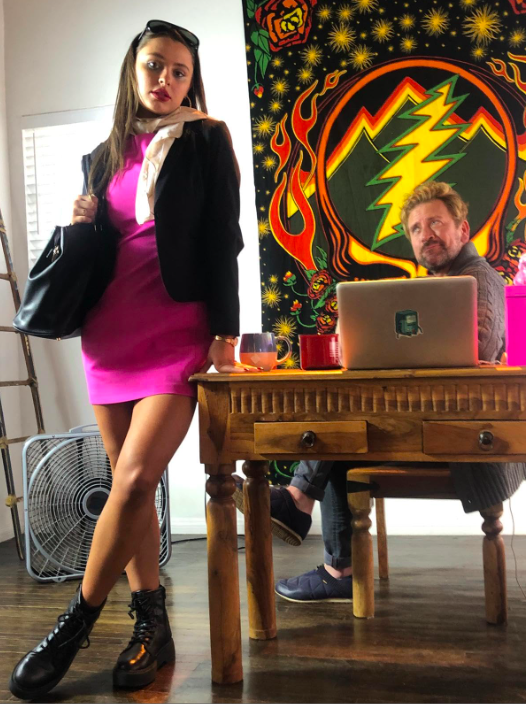 Corey Landis, the path included a soul-crushing seven-year drought where he didn’t book a single audition or job, despite his early momentum (like playing young Red Foreman on That ‘70s Show).
“I went from being young Red Foreman… to not working again for seven years,” Landis confessed. This shocking period illustrates the brutal reality that a successful career requires the endurance of a marathon runner, not the sprint of a lottery winner. James Hallett and Valorie Hubbard stressed that this kind of sustained rejection is a normal part of the landscape—a dark valley every serious actor must navigate.
When people inevitably asked him, “why didn’t you just give up?” Landis’s answer was pure gut instinct: “I’m going to trust my gut and I don’t think it’s me.” He didn’t let the seven years of silence fracture his self-belief; he trusted his passion. During this fallow period, he strategically turned to music, an outlet where he didn’t “have to be given permission” to create. He focused on his more demonstrable creative outlet, making albums at home and taking back a small measure of control over his creative output. Finding reliable acting jobs can be a maddening cycle of feast or famine, even for a seasoned performer who was once on a hit show.

Landis insisted these difficult years were formative, saying, “I would not take back the seven years because it just ends up making you who you are,” a richer, deeper, and more grounded artist. It forged the resilience that now allows him to speak out and sustain his career.
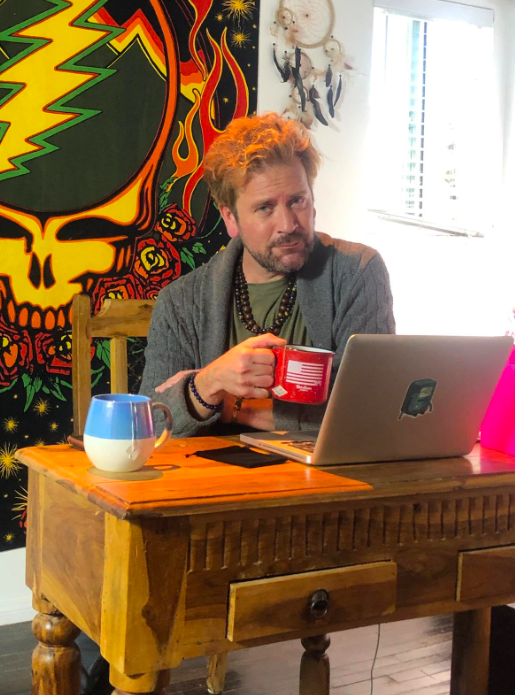 James Hallett underscored this sentiment, recognizing that rejection is an inherent part of the deal. He reflected on the importance of action: “If we don’t knock on the door and we stand out there going, ‘Ah, nobody’s paying attention to me,’ the door is there.” Valorie Hubbard powerfully challenged the myth of “discovery,” asking, “how many doors did that person have to knock on before someone discovered them?” Getting a shot at an audition for movies is often the result of years of persistence, not overnight luck, or a magic moment of being seen by the right person.
Corey Landis elaborated on his philosophy of creative persistence, using his work with the legendary Grammy Award winner Jeff Emmerich as a prime example. Despite his fear and belief that he “can’t afford” to work with a man who had co-produced the Beatles, Landis mustered the courage to reach out, demonstrating that self-tape persistence eventually translates into life persistence. He attributed this win to persistence, saying his history is “riddled with putting myself out there.” This sheer tenacity is what keeps actors hunting for the next great acting job, refusing to let silence be their final answer.
The mental and spiritual cost of this perseverance was also addressed. The hardest part, he confided, is the “hustle of this”—the “spending so much time doing essentially busy work for something that may not pay off.” This constant technical maintenance, which can be marginally eased by using a specialized acting app for managing scripts or self-taping logistics, is the silent killer of creative energy, leaving less time for the actual acting. It’s a paradox: the more professional the process becomes, the less time the artist has to focus on the art.
💻 The Actor-CEO: Mastering the Business of Art
The days of simply showing up and being brilliant are dead. As the hosts and Landis lamented, the job of the actor has fundamentally transformed into one requiring serious entrepreneurial chops. This necessitates a seismic change in how an actor approaches their craft, moving from an artist who hopes for work to a business owner who actively creates and manages opportunities.
Corey Landis described the current submission process as a “thorn in my foot” because the volume of “busy work” is simply staggering. He detailed the “interminable” technical tasks: “10 pages of dialogue memorized and shot on camera,” specific labeling protocols, and varied submission methods. Even with an efficient acting app for trimming video or setting up a virtual background, the technical demands are immense and non-negotiable. He feels it is an “impossibility” thrust upon actors who must now become cinematographers, editors, and sound mixers just to get their self-tape seen.
Valorie Hubbard provided a stark example of the new reality: a client who, during the pandemic, had to “shoot, edit, compress, send, light, set, decorate, cast, [and] costume” her own commercial. She noted that the only silver lining is that this seismic shift has created “so many streams of revenue” for actors, such as user-generated content (UGC). Valorie Hubbard revealed that she has a client on track to make “a quarter million this year” doing UGC—a prospect she “literally” never thought she would see for a non-famous actor. This highlights the importance of diversified income beyond just trying to audition for movies through traditional channels.
This new, highly demanding landscape, however, brings an empowering opportunity: negotiation. Valorie Hubbard declared, “That was the skill set that when I got out of acting school, we didn’t have: Negotiate.” Mastery of the tools, whether it’s the submission process through Actors Access or the latest script breakdown technology on an acting app, now goes hand-in-hand with business acumen.
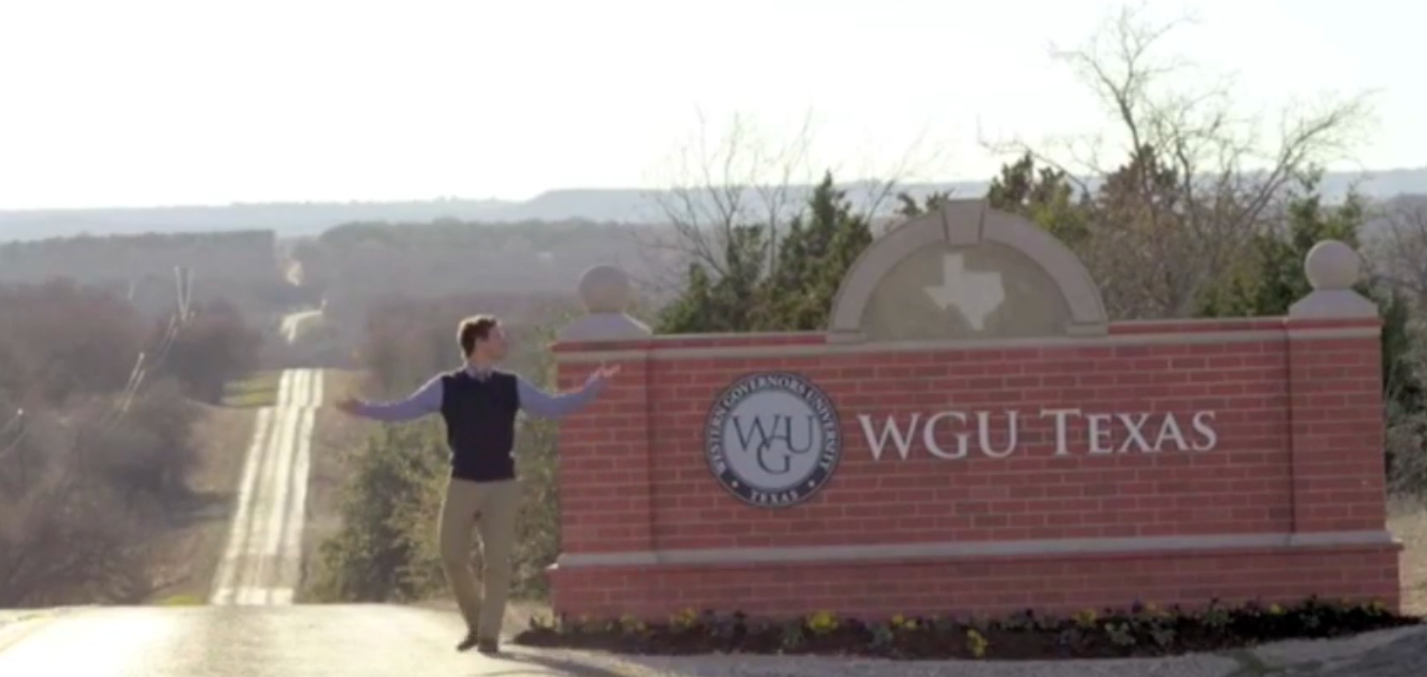
Both Corey Landis and Valorie Hubbard championed the necessity of becoming “savvy with negotiating.” Corey Landis stressed that although it is “difficult  and nebulous,” mastering negotiation is “very empowering.” It is the skill that “really teaches you your value. Like what is your value? What is your day rate? What is your quote?” The confidence gained from a successful negotiation is as vital to an actor’s longevity as any acting class; it is the difference between a quote that sustains your career and one that leaves you waiting tables.
Valorie Hubbard finalized the call to action, offering a powerful piece of advice for the next generation: study business alongside acting.
💡 Valorie Hubbard: “Now business, when someone tells me, oh, I’m going to be an actor, but I’m going to go study business. I’m like, that’s smart. I think you need that now.”
She asserted that the modern actor’s role is “so different now” that mastering business is “mandatory.” Actors “need to know what your brand is,” “how to pitch yourself,” and “how to negotiate for yourself.” Securing a professional audition for movies is only the first step; the final deal is where the real business happens, and the actor who hasn’t prepared for that is leaving money on the table.
Corey Landis concluded the discussion with his ultimate vision, a sentiment shared by Valorie Hubbard and James Hallett. He expressed a simple, profound dream for the next ten years: “to just do cool things with cool people.” He hopes to reach a point where he doesn’t have to worry about the stress and the busywork, but can “keep making a decent living to survive and make cool music with cool people and do cool acting projects with less stress involved.” This final answer, delivered to the warm approval of the hosts, distilled the entire conversation: the wealthy actor is one who has learned to combine creative passion, unflinching resilience, and the indispensable business savvy required to thrive in a chaotic, yet endlessly possible, modern industry.
The Final Takeaway: Beyond the Spotlight and Onto the Bottom Line

The conversation between Valorie Hubbard, James Hallett, and Corey Landis serves as a vital, high-energy manifesto for the contemporary performer. They peel back the veneer of glamour to expose the gritty, persistent work necessary to sustain a career, highlighting the systemic obstacles and the personal fortitude required to overcome them. From standing up to giants like Actors Access to enduring seven years of silence, the journey of an actor today is less about waiting to be chosen and more about choosing to persist, choosing to advocate, and choosing to treat the craft like the serious, difficult business it is. The era of the purely creative actor is over; the future belongs to the actor-entrepreneur, the one who can master an acting app as skillfully as a dramatic monologue, and negotiate a contract with the same confidence they command a stage.