The Wealthy Actor: Reconciling the Heart of the Artist with the Head of the CEO
 The dream of a life under the lights is a powerful magnet, isn’t it? We all picture the final applause, the steady creative work, and the sense of professional fulfillment that defines a true career in Hollywood acting. Yet, the path often feels less like a smooth climb and more like an emotional gauntlet lined with rejection, anxiety, and sheer, grinding labor. For every triumphant story, there are a hundred others battling burnout, desperately trying to figure out the secret to consistent employment.
That’s why the insightful conversation between Valorie Hubbard, James Hallett, and their esteemed guest, veteran actor and coach Aaron Marcus, on the Wealthy Actor Podcast wasn’t just another industry interview—it was a philosophical intervention. They didn’t just hand out quick tips; they presented a radical, three-part manifesto designed to stop the artistic struggle and kickstart consistent, sustainable prosperity. The core message is stunningly simple: lasting success isn’t about being the most talented; it’s about strategically changing your mindset, the way you invest your time, and the way you manage your professional life. It’s time to trade the desperate chase for the confident, purposeful stride.
The Freedom Formula: Ditching the Duel to Find Your Delight 🥳
 Let’s be honest: that competitive anxiety you feel before an audition is your single biggest barrier to booking. You’re conditioned to believe you have to win the role, that your survival depends on mentally defeating the 20 other hopefuls lined up outside. That frenetic energy, however, is a poison pill that sabotages your performance.
Aaron Marcus gets right to the heart of the matter, calling this fixation on competition an “unhealthy way of doing things.” Why? Because when your mind is preoccupied with external factors—worrying about the competition or trying to anticipate what the casting director wants—you are literally pulled “off your own path,” as Marcus states. You cannot be fully present, fully authentic, or truly vulnerable with the material. The pressure to win generates a desperate, needy energy that screams “high maintenance” to the very people trying to hire you. This non-verbal communication is often the primary reason talented actors fail to book the job.
The solution, though seemingly counterintuitive, is the ultimate confidence hack: your number one goal for every single audition, whether you are walking onto a major studio lot or meticulously filming a self tape in your apartment, must be to have a good time.

This isn’t just self-help fluff; it’s a high-level strategic tool rooted in performance psychology. When you prioritize the joy of the craft, you release the pressure, allowing the actor to truly play. Valorie Hubbard confirms this is key, emphasizing that casting directors aren’t just hiring talent; they need confident, low-stress collaborators for the intense environment of tv show casting. Marcus’s own career began to rapidly accelerate precisely when he abandoned competitive anxiety and prioritized the fun. That relaxed, joyful presence demonstrates stability and professionalism. You stop trying to prove your worth and start demonstrating your capability. The real success, the hosts emphasize, is achieved the moment you walk out of the room knowing you gave an honest, joyful performance, completely independent of the outcome. You’ve conquered the only obstacle that matters: your own fear and desperation. This mindset detox is the essential first step toward a thriving career in Hollywood acting, transforming a stressful gauntlet into a creative opportunity.
The psychological context here is profound. When the actor shifts their internal narrative from scarcity (“I must get this job or I’ll starve”) to abundance (“I have a valuable skill, and I enjoy performing”), their entire physical presence changes. Their breathing deepens, their voice relaxes, and their choices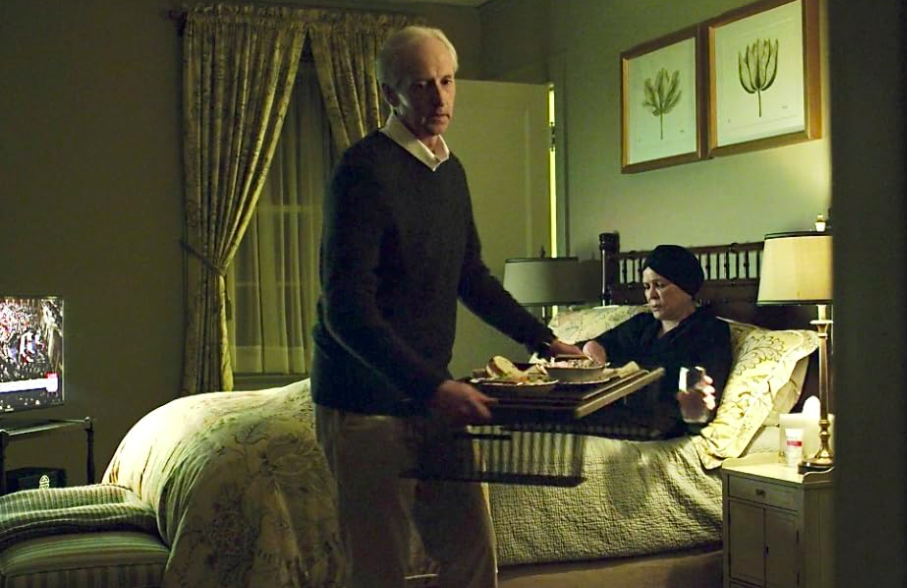 become bolder. They stop making safe, timid choices designed to please and start making genuine choices designed to illuminate the character. This demonstrated confidence—the kind that comes from enjoying the moment—is exactly what distinguishes the viable candidate from the nervous hopeful. The wealthy actor understands this: the art of playing is the ultimate professional strategy. It’s the easiest way to stand out in a world full of tight, anxious performers, making them a refreshing and memorable presence that a director is eager to work with.
Furthermore, this mindset is the actor’s best defense against burnout. By defining success not by the booking but by the quality of the experience, every audition becomes a positive event, reinforcing the actor’s passion rather than eroding it. This sustained joy ensures career longevity far more effectively than any specific acting technique.
Making Strategic Deposits: Your Career as a Relationship Bank 🏦
 Once you’ve successfully ditched the competitive mindset, you gain the clarity to see the industry for what it truly is: a long-term investment in relationships, not a series of isolated transactions. If the goal isn’t to book this specific job, what are you doing in that audition room? You are strategically building professional currency.
Marcus drives this point home with an unforgettable metaphor: every time you audition, you are “making a small deposit at the bank.” These are not rejections; they are professional interactions that showcase your reliability, your work ethic, and your consistency. And these deposits compound over time, acting like an interest-bearing account for your career.
Think of the staggering numbers involved. The hosts note that for major roles, a casting office might wade through hundreds, sometimes thousands, of submissions. Simply being granted the opportunity to audition—to be seen by decision-makers—is already a “tremendous success.” You’ve already made the first, most crucial cut. Your job is now to confirm that initial positive assessment.
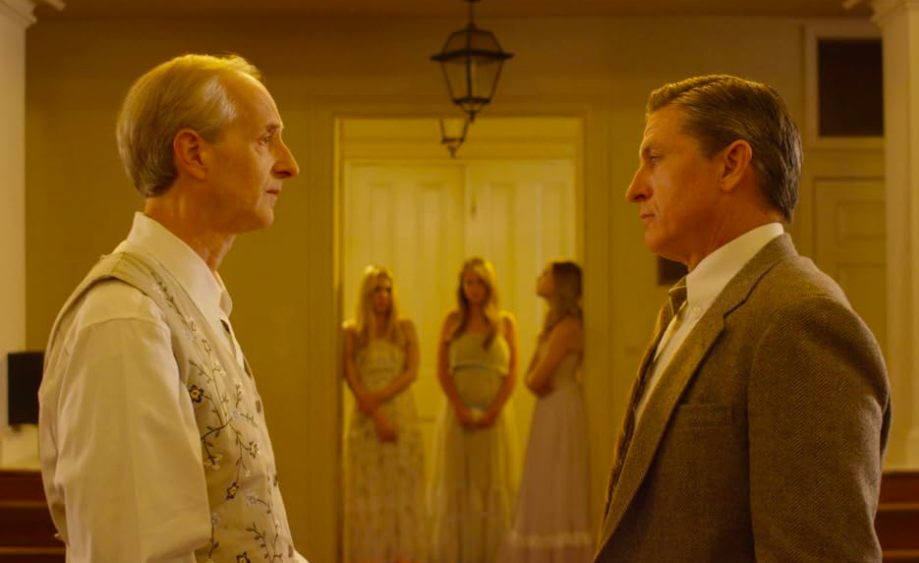
Marcus’s powerful story about his journey through tv show casting illustrates the long game perfectly. He landed a recurring role on the acclaimed series House of Cards only on his fifteenth audition for that specific office. Those first fourteen times were not failures; they were cumulative professional appearances that built his credit and solidified his presence in Hollywood acting. They showed the casting director that he was a reliable, talented actor whom they liked and wanted in their world. They simply had to wait for the right character to align with his skills. This anecdote powerfully illustrates the concept of Persistence Builds Credit. Casting directors don’t forget faces that impress them; they catalog them for future opportunities.
This is why the key to sustainable success moves past the tired cliché of “who you know” and lands squarely on “who knows you and what you can do.” The industry is, as Hallett notes, about “community and connection,” and those connections are forged slowly through consistent professional engagement. Every appearance, from a high-quality self tape to an in-person callback, is a chance to reinforce your professional brand. The wealth of an actor, therefore, is not measured by their last paycheck, but by the depth and breadth of their positive professional reputation within the community. An actor who understands this views every “no” as simply a delayed “yes,” knowing that their consistency is steadily accumulating value in the professional “bank.”
This relationship-building extends far beyond the final audition room. It requires understanding that casting directors and producers are looking to populate their creative world with known quantities. Being a consistent, positive presence in the tv show casting circuit, even if you don’t book for months, keeps you in that inner circle of consideration. It proves that you’re in it for the long haul, separating you from the flash-in-the-pan hopefuls. The professional credit you build through consistent, non-demanding contact is the invisible engine that drives Hollywood acting careers over the span of decades.
Furthermore, this philosophy encourages actors to value the network of peers they interact with daily—the fellow actors, the casting assistants, and the stage managers. These people move up and become casting directors and producers themselves. Treating every person in the industry with respect and professionalism is not just good ethics; it’s smart, long-term relational investing. The wealthy actor isn’t just focused on impressing the person behind the table; they are focused on contributing positively to the entire ecosystem, ensuring that the entire community views them as a desirable colleague.
The Business Blueprint: Mastering the CEO Role and Sustaining the Brand 💼
The liberated mindset and the robust relationship strategy are the engine, but to build the skyscraper of a career, you must apply the rigor of a professional business. The third, non-negotiable lesson is that the art of acting must meet the business of building a prosperous life. The actor is the CEO of their own enterprise, and they must act like one.
This foundation starts with unwavering professionalism. The community is smaller and more interconnected than anyone realizes, and as Marcus grimly warns, acting unprofessionally—being late, unprepared, or difficult—is the “quickest way to get run out of the industry.” Word spreads like wildfire, and a negative reputation can undo years of hard work faster than any single good performance can repair it. The wealthy actor understands that their reputation for being easy, reliable, and respectful of everyone’s time is their most valuable non-tangible asset. This applies whether you are on a major film set or recording a simple self tape—the quality of your work ethic must be flawless, covering everything from lighting and sound to memorization.
But the CEO must also be proactive in their marketing and administration. They don’t just wait for the phone to ring; they actively manage their presence. The hosts stress that actors must “really market yourself.” This doesn’t mean desperate spamming; it means a structured, non-demanding approach to network management. Marcus advocates for periodically sending a quick, friendly email to agents, directors, and casting directors—not with a desperate request, but simply to “stay in touch.” This consistent, professional touch keeps the actor visible, directly supporting their goals in Hollywood acting and ensuring they remain top of the list for specialized tv show casting calls. The frequency must be strategic—just enough to remind, but not enough to annoy.
Furthermore, the professional actor views their career portfolio—headshots, demo reels, and website—as vital marketing materials that require constant,  high-quality updates. These tools are the storefront for their “business” and must always project polished competence. Investing time and money into high-quality materials is not a luxury; it is a fundamental business expense.
Finally, the CEO must know when and how to delegate crucial administrative tasks, particularly negotiation. Even when an actor finds a job independently, the consensus is that it is generally best to send it through an agent. This is essential self-protection. An agent ensures the contract is legitimate, secures better negotiation terms, and provides a necessary buffer for dealing with any potential on-set issues, freeing the actor to concentrate purely on the creative work. As the podcast notes, an agent is the one who can deal with the specific challenges of contract clauses and payment schedules, allowing the artist to remain focused on delivering the performance. It’s the smart business decision that protects the artist.
The wealthy actor, therefore, is defined by the strategic fusion of these three pillars: they possess the joyful, non-competitive mindset that creates authentic presence; they have the long-term vision that views every engagement as a valuable relationship deposit; and they maintain the unyielding professionalism that sustains their career brand. It is this comprehensive, CEO-level approach—not luck—that transforms a talented performer into a consistently working and thriving industry force. The struggle ends when the strategic thinking begins.